
dark green reflective glass
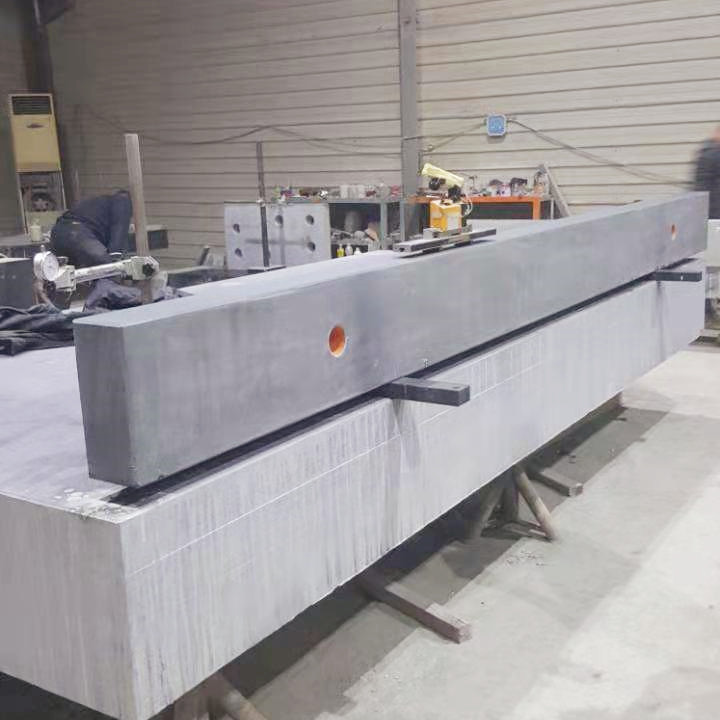
Understanding Steel Fabrication A Comprehensive Overview Steel fabrication is a critical process within the construction and manufacturing industries, playing a significant role in producing structures and components that are durable, resilient, and versatile. This article delves into the intricacies of steel fabrication, highlighting its importance, methodologies, and applications in various sectors. What is Steel Fabrication? Steel fabrication refers to the process of constructing steel structures by cutting, bending, and assembling steel materials. This process is integral to delivering a wide array of products, from small fixtures to large frameworks used in buildings, bridges, and other infrastructures. Fabricators work from design specifications, employing various techniques to transform raw steel into usable components. The Steel Fabrication Process The steel fabrication process generally involves several key stages 1. Design and Engineering The journey begins with detailed design and engineering plans, usually created by architects and engineers. These plans outline the dimensions, specifications, and structural requirements of the project. 2. Material Selection Choosing the right type of steel is crucial for the project’s success. Various grades and types of steel (such as carbon steel, stainless steel, and alloy steel) are selected based on their suitability for the intended application, considering factors like strength, corrosion resistance, and cost. 3. Cutting Once the materials are selected, the steel is cut to the required dimensions. This can be achieved through methods such as sawing, shearing, or using plasma and laser cutting technologies, which provide precision and efficiency. 4. Bending After cutting, the steel components may need to be bent or shaped. This is typically done using hydraulic presses or specialized bending machines that can create intricate curves and angles. 5. Assembly The fabricated pieces are then assembled into their final form. This may involve welding, bolting, or riveting, depending on the design and the load-bearing requirements of the finished product. steel fabrication table 6. Finishing The final stage includes surface treatment to prevent corrosion and enhance the appearance of the steel. Techniques like painting, galvanizing, or powder coating are commonly employed. Applications of Steel Fabrication Steel fabrication is utilized across numerous industries and applications, including - Construction The most prominent application of steel fabrication is in the construction of buildings and infrastructures such as skyscrapers, bridges, and tunnels. The strength-to-weight ratio of steel allows for the creation of extensive and resilient structures. - Manufacturing Various manufacturing processes utilize fabricated steel components, such as machinery parts, automotive frames, and equipment structures. These fabricated parts contribute to the overall functionality and durability of manufactured goods. - Energy Sector The energy industry, particularly in the construction of power plants and renewable energy installations like wind turbines, heavily relies on steel fabrication for structural integrity. - Infrastructure Steel fabrication plays a vital role in creating essential infrastructure such as railways, pipelines, and transportation systems, ensuring reliability and safety in public services. Innovations in Steel Fabrication With advancements in technology, steel fabrication has evolved significantly. Automated systems, such as CNC (Computer Numerical Control) machines, have enhanced precision and efficiency. Additionally, Building Information Modeling (BIM) enables fabricators to visualize and optimize the design and fabrication process before actual production, reducing waste and improving accuracy. Conclusion Steel fabrication is an indispensable element of modern engineering and construction. Its versatility and strength make it a preferred choice for various applications across diverse industries. As technology continues to advance, the process of steel fabrication will likely become even more efficient, sustainable, and innovative, enabling the construction of smarter and more resilient infrastructures for the future. Understanding the fundamentals of steel fabrication not only highlights its significance but also paves the way for continued growth and development in this essential field.
about
dark green reflective glass
Understanding Threads Per Inch Gauge A Comprehensive Overview When it comes to manufacturing and engineering, the importance of precise measurements cannot be overstated. One of the critical measurements in this realm is the threads per inch (TPI) gauge. This measurement is essential in various applications, including machining, plumbing, and electronics, where threaded connections play a crucial role. Understanding Threads Per Inch Gauge A Comprehensive Overview The TPI measurement system can vary significantly depending on the type of threading used. For instance, Unified Thread Standard (UTS) is commonly used in the United States, featuring both metric and imperial systems. In the imperial system, common TPI values for bolts range from 4 to 32 TPI. In contrast, the metric system utilizes thread pitch, which is measured in millimeters per thread. Converting between these two systems requires a solid understanding of both TPI and pitch, making TPI an essential aspect for engineers and technicians. threads per inch gauge To measure TPI accurately, specific tools such as thread gauges and calipers are employed. A thread gauge can quickly determine the pitch of a thread, and once the pitch is known, it can easily be converted to TPI. This measurement is crucial not only for selecting the correct fasteners but also for quality control during manufacturing. Moreover, TPI plays a significant role in determining the strength and load-bearing capacity of threaded connections. Generally, a higher TPI results in finer threads, which can provide more holding power due to the increased surface area of engagement. However, finer threads may be more susceptible to stripping under heavy loads, making it essential to choose the appropriate TPI for specific applications. In conclusion, the threads per inch (TPI) gauge is a vital measurement in the manufacturing and engineering sectors. It ensures the proper fit and function of threaded components, preventing mechanical failures and enhancing safety. A thorough understanding of TPI, its measurement, and its implications can significantly impact the efficiency and reliability of various mechanical systems. As industries continue to evolve, the importance of precise TPI measurements will only grow, making it a topic worthy of attention.
-

High quality industrial productsagement

High quality industrial products
View Details -

Meet the diverse needs of customers

Meet the diverse needs of customers
View Details -

Strict quality control

Strict quality control
View Details -

Top raw materials

Top raw materials
View Details -

Trusted supplier

Trusted supplier
View Details
Our application


news and information

Various Types of Water Valves and Their Applications in Plumbing and Industrial Systems
Types of Water Valves An Overview Water valves are crucial components in plumbing and irrigation sys
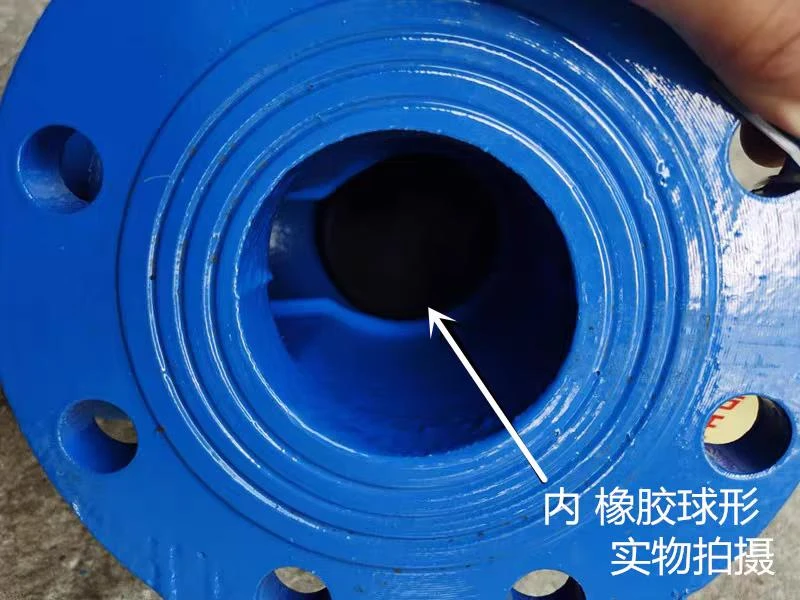
Valve's Influence in the Chinese Market and Its Future Prospects
The Influence of Valve China on the Global Valve Industry In recent years, China has emerged as a ce
vratový ventil z oceli
Ocelové klapky Klíčový prvek v průmyslových aplikacích Ocelové klapky, známé také jako klapkové vent
 English